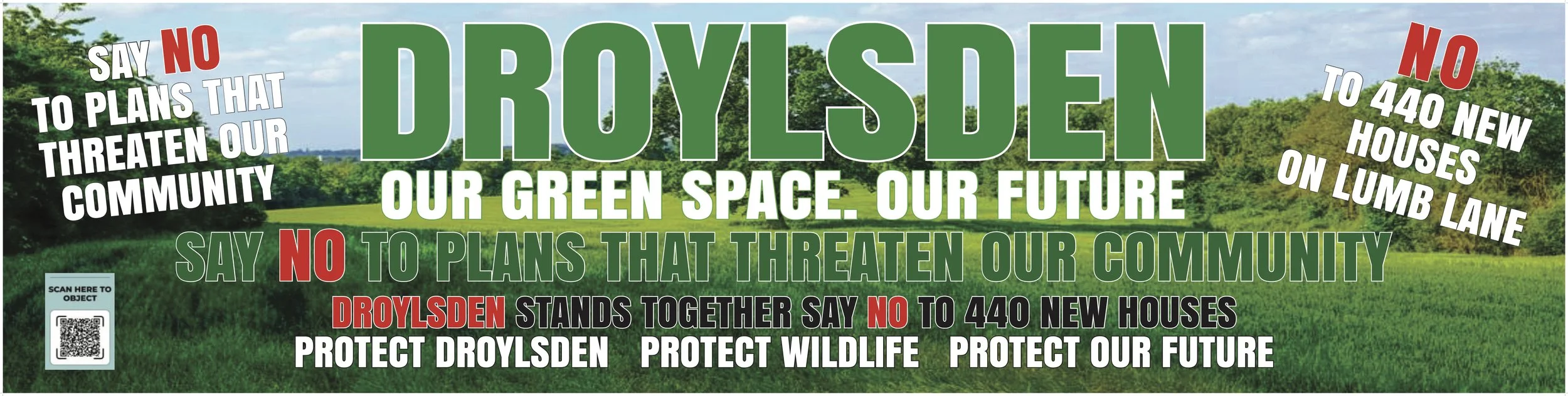
Littlemoss Greenbelt Action Group
September 2026 Newsletter
Together We Can Protect Littlemoss
Thank you to everyone who attended our recent community meeting and continues to support efforts to protect the Littlemoss Green Belt from the proposed 440-home development.
There was a real sense of determination in the room, and it is clear that many local residents care deeply about preserving the green spaces, wildlife habitats and community character that make Littlemoss special.
The coming months will be crucial. The stronger and more organised our community response, the greater our opportunity to ensure local voices are heard.
Our New Website Is Now Live
We are pleased to launch our new community website.
The website will become our central source of information, bringing together:
Latest news and updates
Planning documents and evidence
Wildlife and ecology information
Meeting notes and presentations
Ways to get involved
Contact information
If you have photographs, historical information, wildlife sightings or other material that could strengthen our evidence base, please get in touch.
Please visit the website regularly and share it with neighbours, friends and family.
Progress Since Our Last Meeting
Following the actions agreed at the meeting, work has already started on several priorities:
Evidence Gathering
We are building a comprehensive evidence base covering:
Wildlife and biodiversity
Green Belt protection
Traffic and transport impacts
Drainage and flooding concerns
Pressure on local infrastructure and services
Community and recreational value of the area
Community Communications
The new website has been launched and regular newsletters will now be used to keep residents informed and engaged.
Stakeholder Engagement
We are beginning engagement with relevant organisations, elected representatives and local stakeholders to ensure awareness of community concerns and the importance of the Littlemoss Green Belt.
We Need Your Help
This campaign will only succeed if it is genuinely community-led.
There are many ways you can help:
Wildlife and Ecology
Record wildlife sightings
Submit photographs of local habitats
Share details of protected or notable species
Help gather ecological evidence
Research and Evidence
Review planning documents
Assist with fact-checking
Help identify relevant policies and precedents
Contribute local knowledge and historical information
Communications and Outreach
Distribute information locally
Share updates on social media
Encourage neighbours to join our mailing list
Help promote community events
Practical Support
Volunteer at meetings and events
Help with administration and organisation
Assist with leaflets and community engagement activities
Even a small amount of time can make a significant difference.
Why This Matters
The proposed development would result in the loss of Green Belt land that provides:
Valuable wildlife habitat
Important green space for local residents
Natural flood mitigation benefits
Opportunities for recreation and wellbeing
A countryside buffer between communities
This isn't simply about opposing development.
It is about ensuring that any future decisions are based on robust evidence, proper scrutiny and a full understanding of what could be lost.
Stay Involved
If you know of neighbours who are concerned about the proposal, please encourage them to:
✅ Visit the website
✅ Join our mailing list
✅ Attend future meetings
✅ Volunteer where they can
✅ Share evidence and local knowledge
The more residents who get involved, the stronger our collective voice becomes.
Together we can help protect Littlemoss for future generations.
Call to Action This Month
Please do three things today:
Visit the new website.
Share the website with at least three neighbours or friends.
Reply with one way you could help, whether that's wildlife recording, research, communications or community outreach.
Every contribution matters.
And Finally we will be adding additional new category "Wildlife Species of the Month" with photos and facts from Littlemoss. It gives people a reason to open future newsletters and reinforces the ecological case in a positive, evidence-based way.